
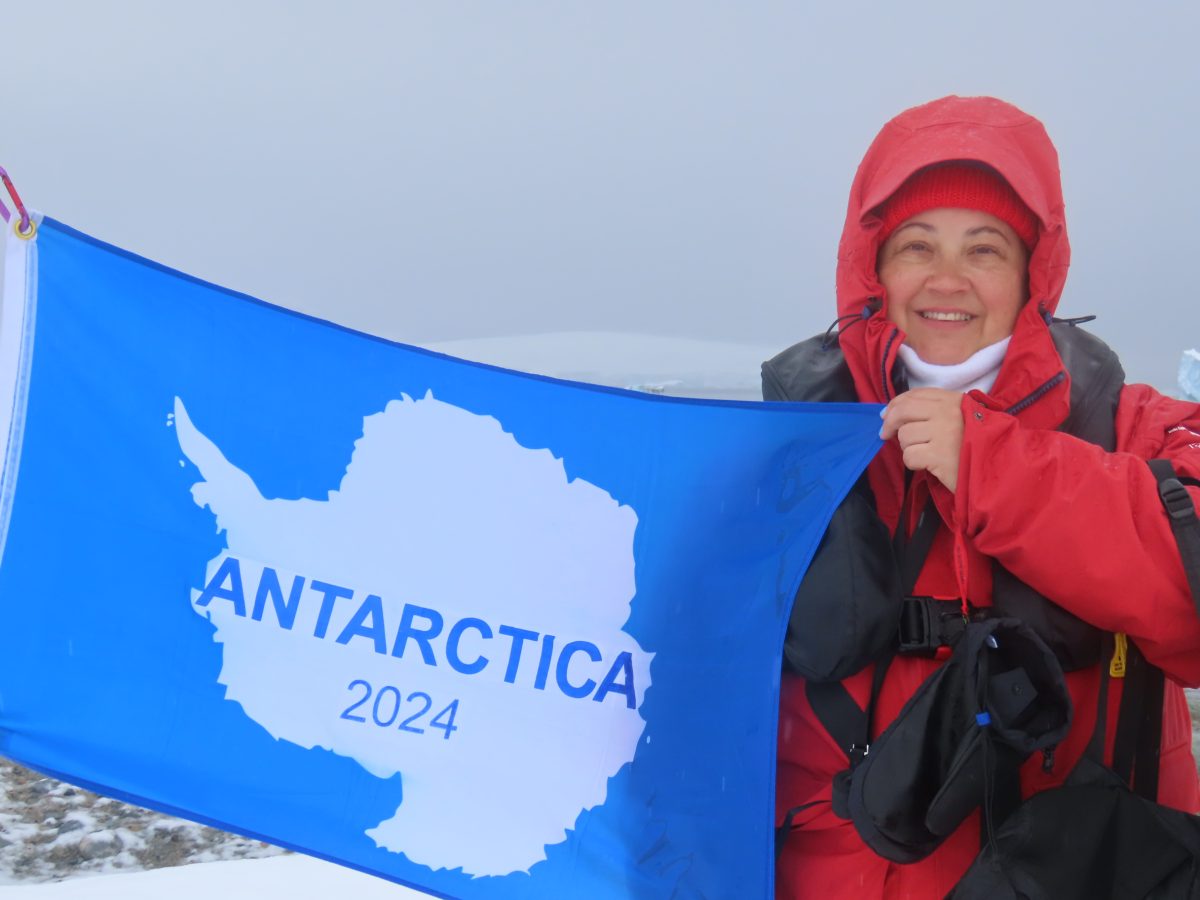
In February, Baker School sixth-grade science teacher Yasameen Sharif found herself a long way from the classroom.
She was adrift on a ship in Antarctica, participating in oceanic research alongside teams of scientists. As she counted fish, spotted whales and floated on 26-foot waves, Sharif’s students followed along through her blog and frequent Zoom calls.
Sharif was on a mission to bring the icy continent of Antarctica to her class, with the goal of sparking their interests in hands-on and authentic scientific encounters.
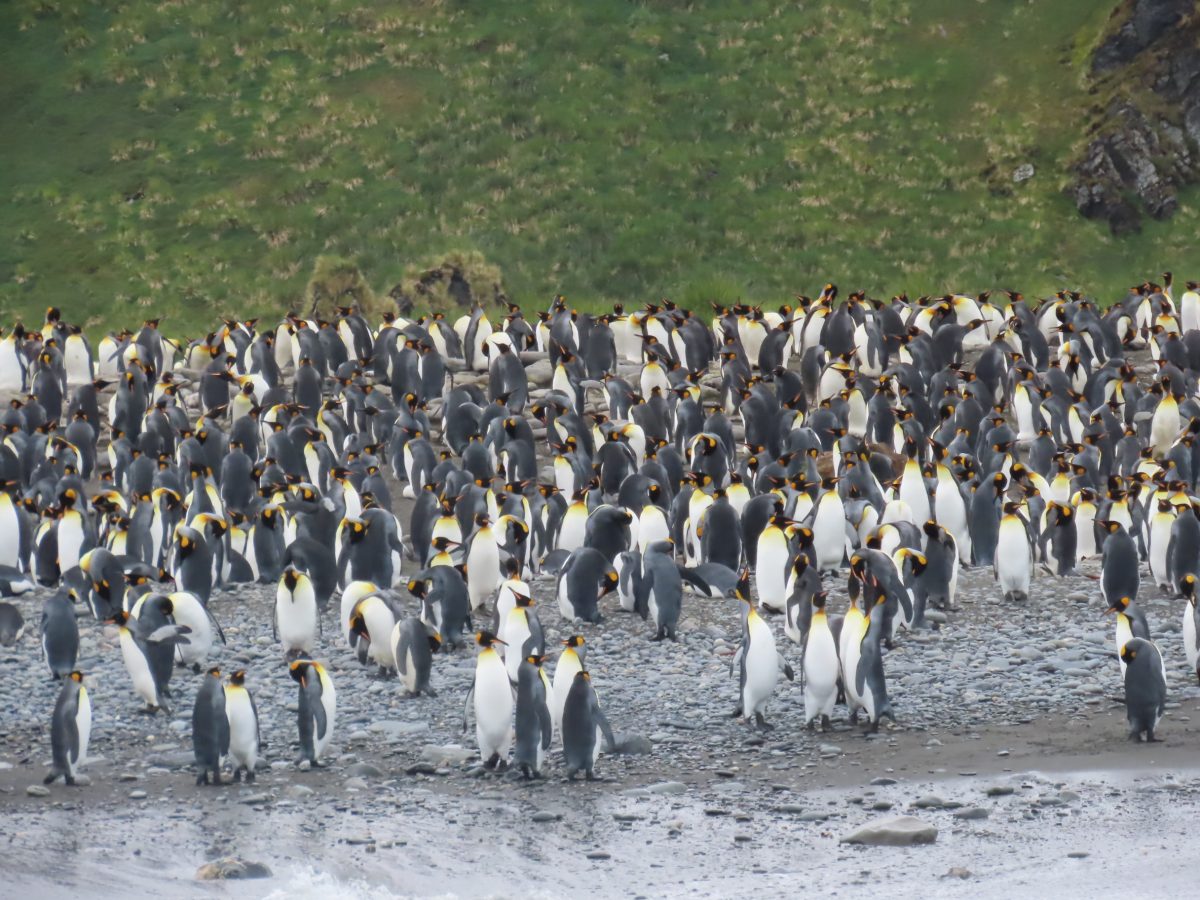
As the sixth-graders watched over live video, she took part in scientific processes aboard research ships focusing on the population of various fish, launching weather balloons, and experiencing unique wildlife such as penguins and whales. One call occurred live on a boat where Sharif showed students how she and a group of scientists were analyzing plankton. The work aligned with similar themes taught in her class, which focuses largely on the science of weather and the ocean.
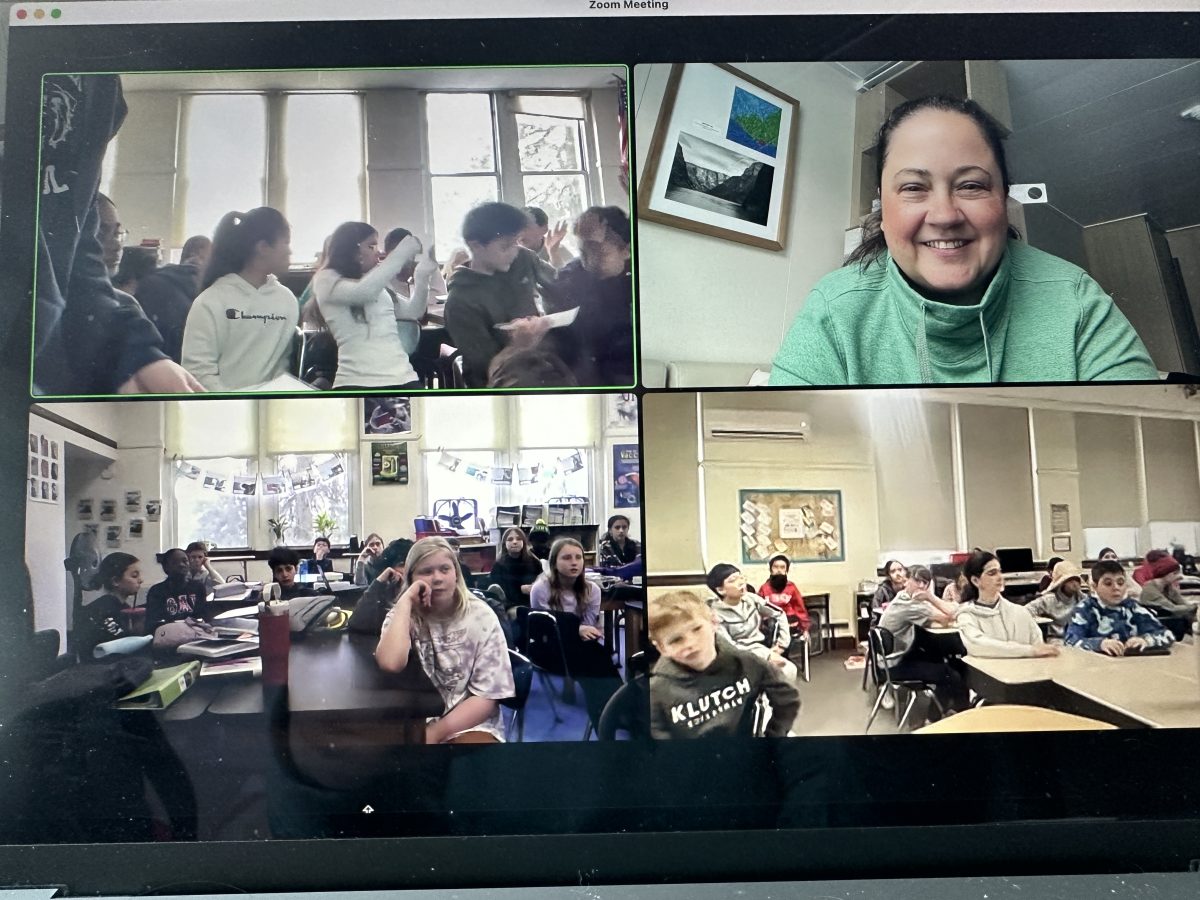
Teachers across Brookline schools also used her blog posts as a way to support their own subjects and engage students.
“I feel like it is very important to be a lifelong learner,” Sharif said in an interview. “One of the ways to do that is to get out of the classroom and have these types of experiential learning experiences to be doing science rather than just teaching. It is also important for students to see their teachers as lifelong learners because you don’t just stop learning when you are out of school, it’s how you stay connected to what you are teaching.”
She highlighted that while students were very interested in the curriculum-relevant weather balloons, their and her favorite part was observing penguins.
This trip was made possible by a $3,000 dollar grant awarded to Sharif by the Brookline Education Fund (BEF).
The BEF gives out about 30 grants per year for travel, conferences and other forms of professional development, funding about $200,000 worth of grants last year.
This is the second trip that Sharif has gone on with BEF grant money, the first one being to Georgia to research turtle nests in conjunction with a unit on sea turtles in class.
The BEF also gives smaller amounts of money to teachers across the district for project based learning such as bringing in experts or getting supplies for an engaging application of concepts learned in class. Some teachers have used grants to build go-karts with their students or bring improv troupes to class, according to BEF Executive Director Elizabeth Ascoli.
“[BEF] loves getting teachers from many different schools out of their silos and collaborating,” Ascoli said.
Corrections: A previous version of this story incorrectly stated the number of grants given out by BEF each year. It also misspelled the name of BEF director Elizabeth Ascoli.
This story was produced in collaboration with the Reinventing Journalism course at Brandeis University, taught by Professor Neil Swidey, with mentoring for student journalists by Brookline.News steering committee co-chair Ellen Clegg and editor Sam Mintz. Read more about the collaboration here.