
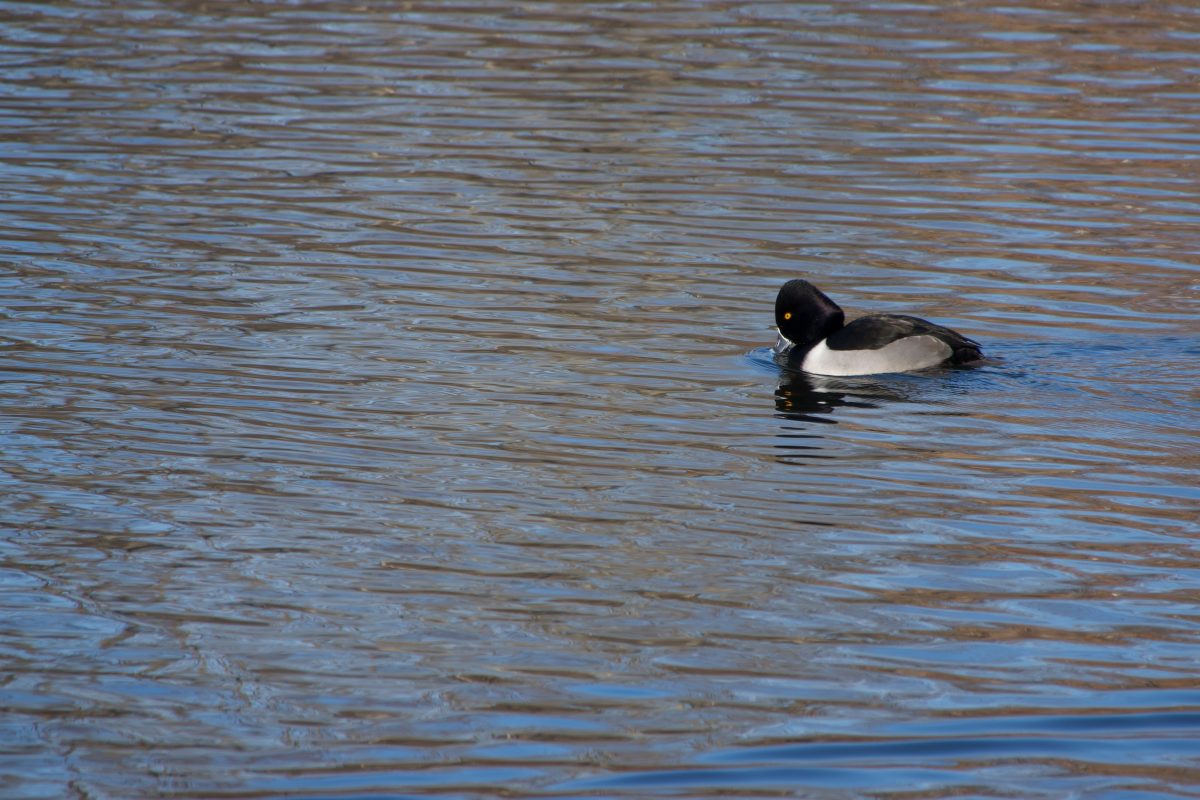
Since the beginning of the U.S. outbreak in January 2022, bird flu has been found in approximately 12,000 wild birds nationally, with cases in all 50 states. The virus has also caused outbreaks in poultry and dairy cows, leading to nearly 70 human cases in the U.S., primarily in dairy and poultry workers.
Now, birds in Brookline are falling victim to bird flu as Massachusetts faces its largest outbreak of the virus yet. Here’s what the town is doing to address bird flu and how to stay safe.
Cases along the Muddy River
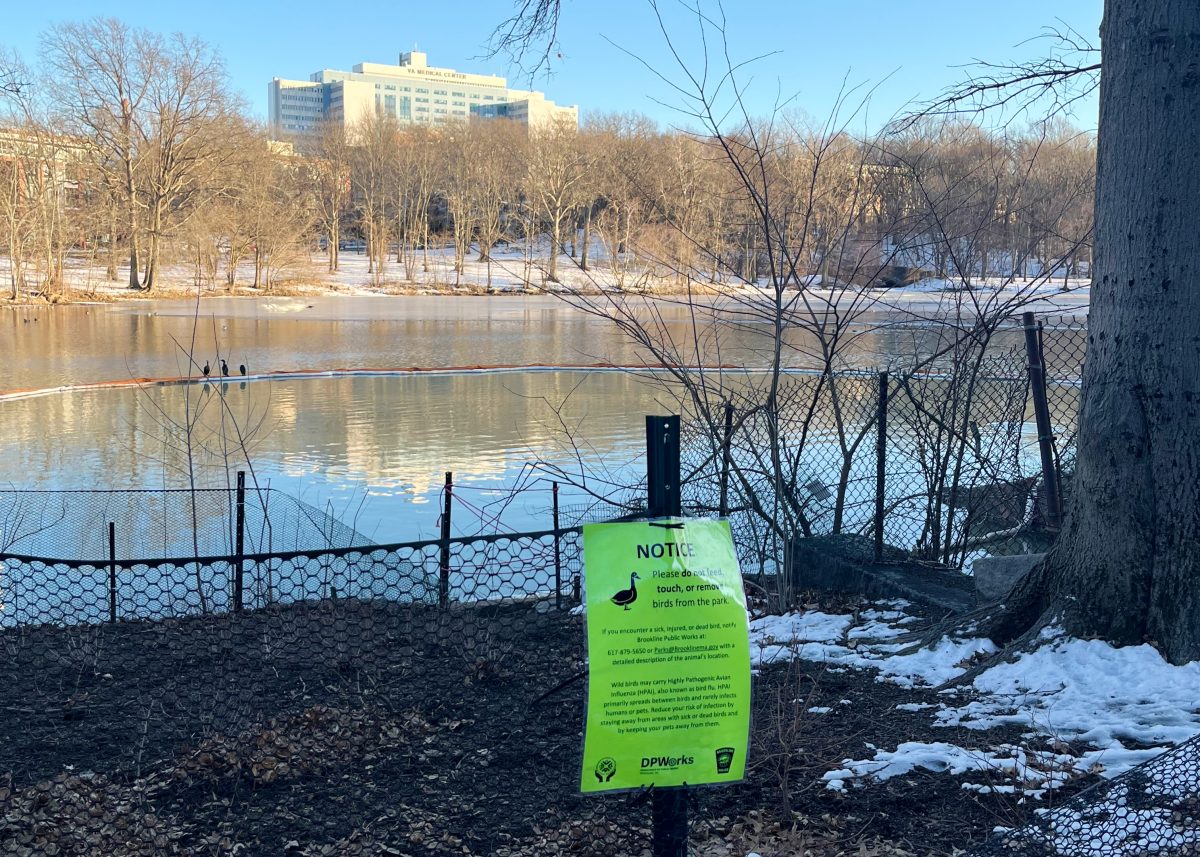
Bird flu isn’t new to Massachusetts and was first detected in the state in 2022. However, Brookline first began reporting cases this January. Within Brookline, cases have occurred mostly along the Muddy River in the Emerald Necklace, with over 140 wild waterfowl suspected to be killed by the flu so far, according to Brookline’s Department of Public Works. In a recent three-week period, DPW reported 35 dead birds.
However, town officials say it’s difficult to pinpoint a trend in Brookline’s cases this early in the outbreak.
“I’m wary of sharing trends because we may not have data over a long enough period of time yet,” said Alex Cassie, Conservation and Natural Resources Manager for the town. “But our rangers go out every day and sometimes they’ll pick up one or two birds, sometimes they’ll pick up four.”
DPW is working with Boston and Brookline park rangers and animal control to patrol parks every day for dead birds and respond to reports. Severely ill birds are taken to MSPCA or other animal rescues for treatment.
‘Situational awareness’
To track changes in the virus, the town receives regular updates from the Massachusetts Department of Public Health, which in turn coordinates with other public health departments on a national level, according to Sigalle Reiss, Brookline’s Director of Public Health and Human Services.
“The flu virus is very dynamic,” said Reiss. “We don’t know in what direction it is going to change, so we’re keeping an eye on it and maintaining situational awareness.”
She said that she hasn’t felt disruptions in communication and data availability on a local level from the Trump administration’s recent freeze of federal health agency communications, but it’s yet to be seen what will happen.
“We’re going to keep on doing what we do until someone tells us that we can’t,” she said.
Are humans at risk?
According to the state, bird flu poses a low risk to the general public, and most human cases have occurred in those working directly with poultry and cattle.
“Right now, it’s a major agricultural issue,” said Reiss. “We heard last week that dairy cattle cases are going down, but it changes week to week.”
While the current infection risk to humans is low, the more people that interact with dead and sick birds, the higher the risk of spreading the virus to pets and to new environments. Therefore, it’s crucial that people report observations of bird flu to the DPW instead of trying to handle sick or dead birds themselves, said Cassie.
“We want you to call us and report this stuff. You shouldn’t be the one interacting with these animals,” he said. “We want to ensure that our properly equipped staff are the ones getting out there and removing birds to limit the virus’s exposure to the natural world and to people as much as possible.”
It’s also possible that bird flu could mutate and become more transmissible to humans in the future, said Reiss, but nobody knows if or when that will happen. To prepare, the town is keeping up to date with the state’s guidance on how to track the virus.
“We’re focusing on stopping and controlling it at the source,” Reiss said.
Wastewater has proven to be an ineffective indicator of bird flu in humans, she said, because runoff from waterfowl and other wildlife drains into it. State and federal regulators are testing milk as an indicator instead, and there have been no positive dairy cattle cases yet in Massachusetts.

Best practices
When it comes to protecting yourself from bird flu and minimizing the virus’s spread, it is crucial to avoid feeding and interacting directly with wildlife.
“People should not be feeding wildlife, avian flu aside,” emphasized Alexandra Vecchio, Brookline’s Director of Parks and Open Spaces at a recent Parks and Recreation Committee meeting. “But they especially should not be doing it right now due to the safety concern for themselves.”
Instead, residents should remain aware of their surroundings and let DPW know if they see a sick or dead bird by calling or emailing them and providing the location of the bird.
Pets can also be infected by bird flu. Cassie advised keeping dogs on leashes and preventing them from getting close to wildlife or sniffing around areas that have populations of wild birds.
Cases of bird flu in cats across the country have been connected to the consumption of raw milk and raw pet food, which can carry the virus.
“Humans should not be drinking raw milk in the first place, but we’re extra worried about it now,” said Reiss. “None of our cattle in Massachusetts has tested positive yet, but nationally there are high viral loads being found in milk — so don’t give your pets raw milk.”
Birdfeeders pose a low risk of transmitting bird flu to humans, but they do attract rodents, she added. There was also a positive bird flu case in a backyard chicken flock in Plymouth County, and she advised residents with chickens to monitor their flocks.
What should you do if you think you’ve been exposed to bird flu? Unless you’ve been handling wild waterfowl, said Reiss, you probably haven’t been exposed. Even if you have been exposed, cases in humans have generally been mild. While the risk to humans is currently low, she recommended keeping an eye out for symptoms.
“With public health and diseases, you can never say 100%,” she said.